
Optimal Timing for Storm Restorations
Storm restorations are most effective when performed during specific periods that minimize weather-related disruptions and optimize repair quality. The optimal time often depends on regional climate patterns, historical weather data, and the type of storm damage involved.
Late spring through early fall typically offers the best conditions for storm restorations due to milder weather and fewer storms.
Periods of extended dry weather reduce delays and complications during repair projects.
Post-storm windows allow for assessment and repairs before the next storm threat arises.
In Los Angeles, the dry season from late spring to early fall provides ideal conditions for storm-related repairs.
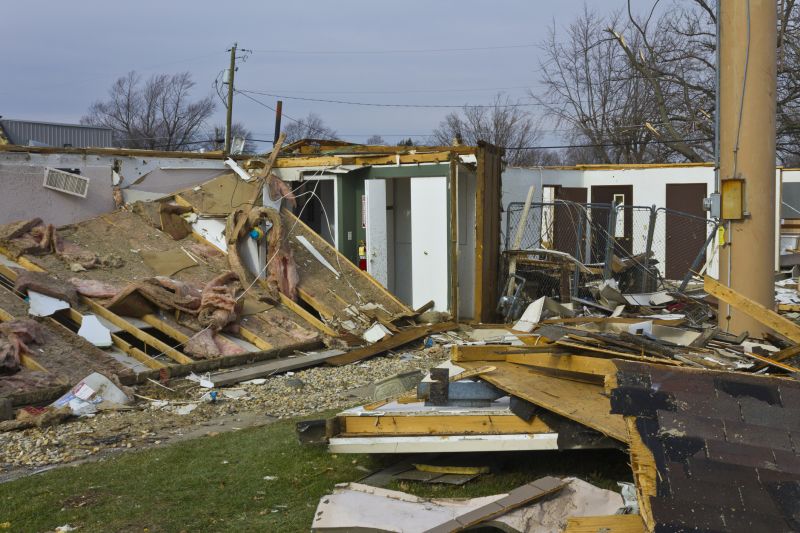
Evaluating damage early in the season can streamline restoration efforts.
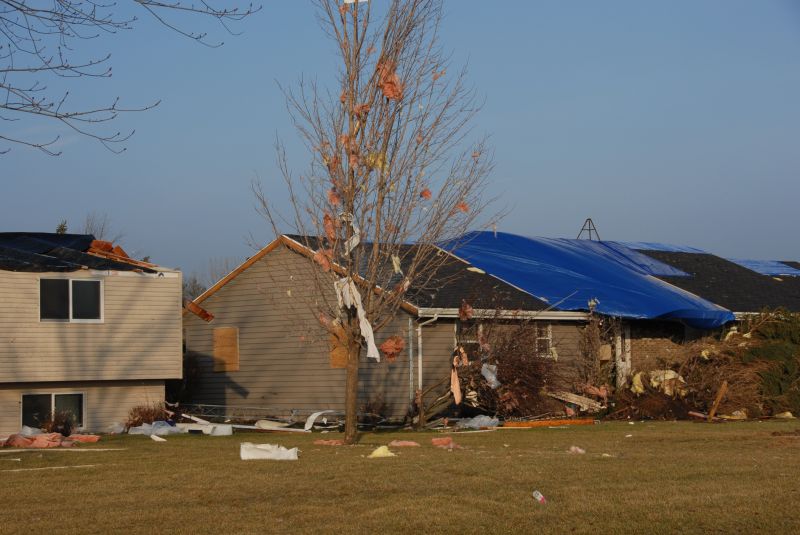
Timely repairs after a storm prevent further deterioration.
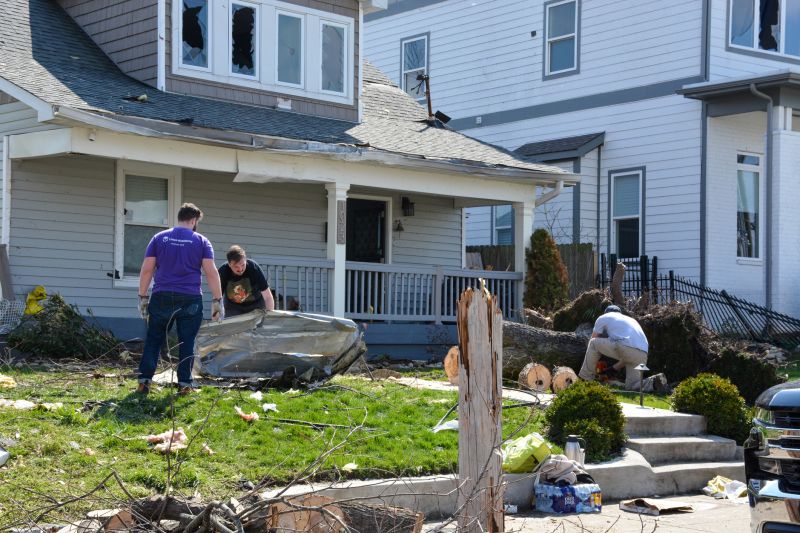
Pre-storm preparations reduce damage severity and repair costs.
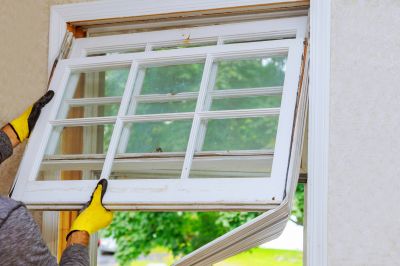
Ways to make Storm Restorations work in tight or awkward layouts.
Popular materials for Storm Restorations and why they hold up over time.

Simple add-ons that improve Storm Restorations without blowing the budget.
Storm restorations encompass a range of repairs aimed at restoring structures and landscapes damaged by severe weather events. These services include roof repairs, siding replacements, window reinforcements, and landscape stabilization. Proper timing ensures that restorations are completed efficiently and effectively, reducing downtime and preventing further damage.
Statistics indicate that performing storm restorations during optimal seasons can decrease repair costs by up to 20% and shorten project durations. Additionally, early intervention minimizes the risk of secondary issues such as mold growth, structural weakening, and water intrusion.
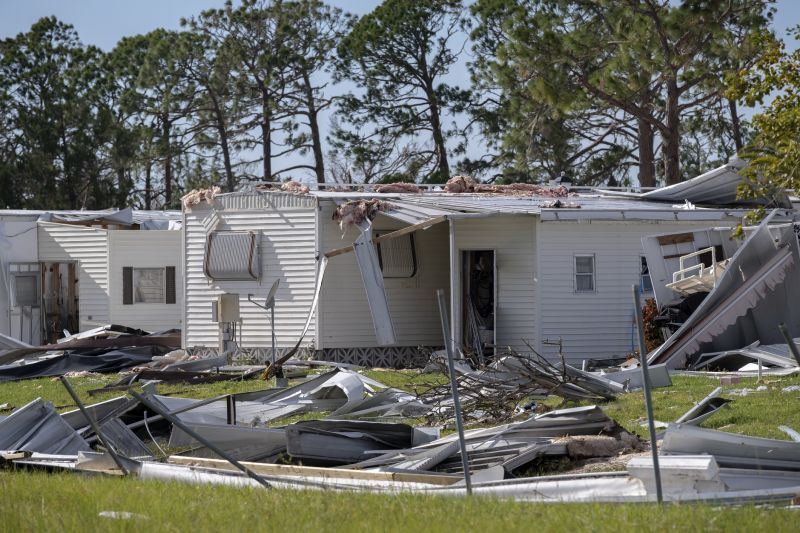
Restoration projects restoring roofs and exteriors after storms.

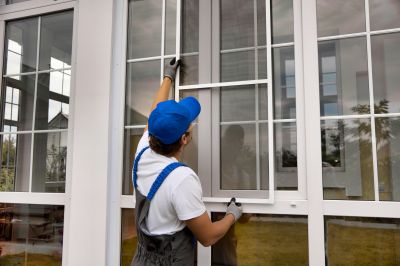
Strengthening buildings to withstand future storms.
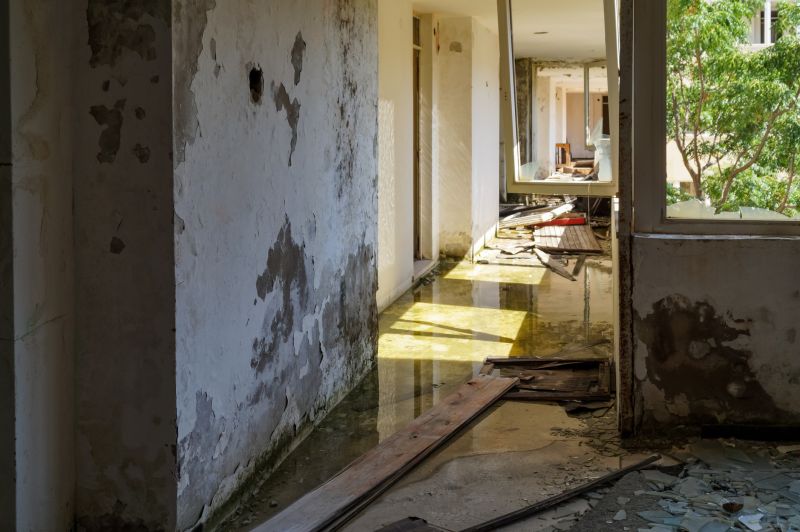
Addressing water intrusion caused by storm flooding.
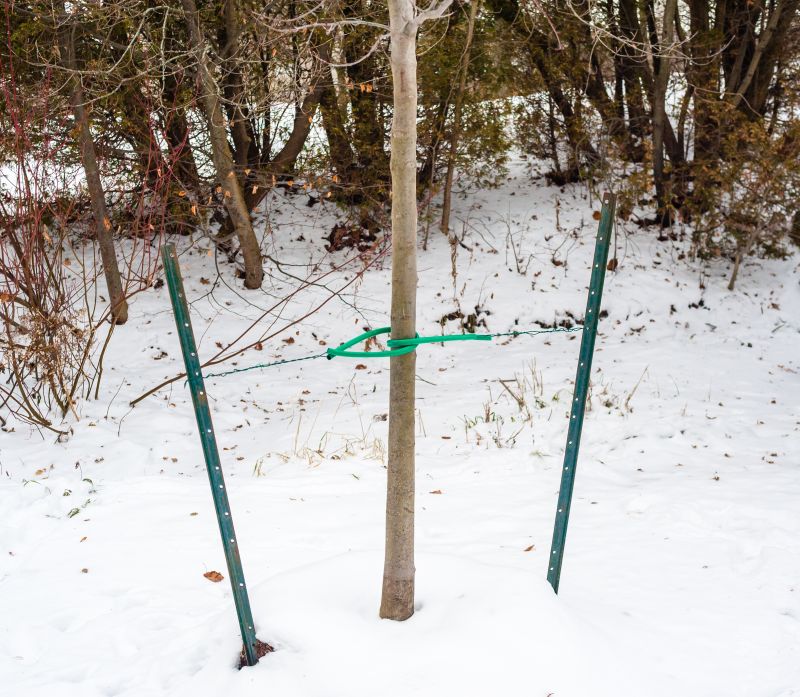
Securing soil and structures after storm erosion.

High-end options that actually feel worth it for Storm Restorations.

Finishes and colors that play nicely with Storm Restorations.
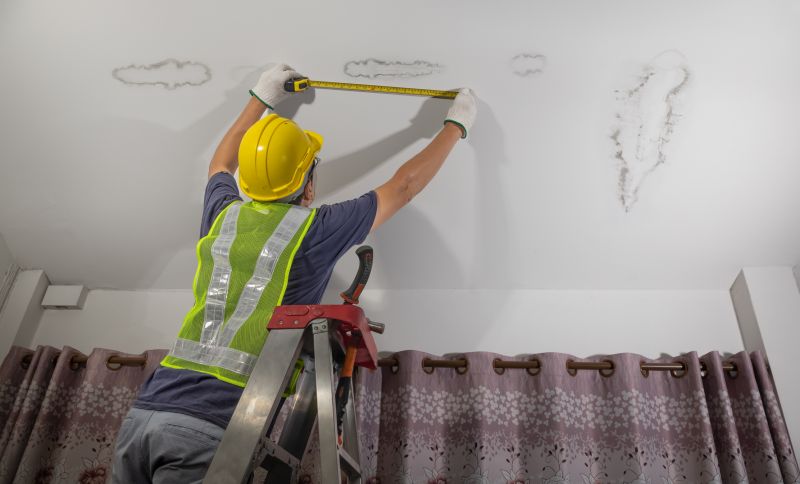
Little measurements that prevent headaches on Storm Restorations day.

A 60-second routine that keeps Storm Restorations looking new.

A frequent mistake in Storm Restorations and how to dodge it.

Small tweaks to make Storm Restorations safer and easier to use.
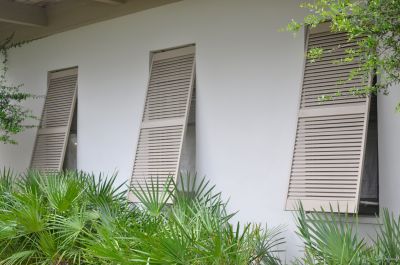
Lower-waste or water-saving choices for Storm Restorations.
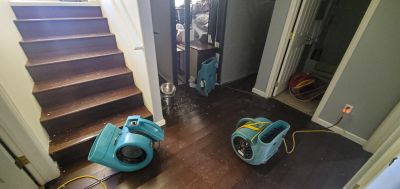
The short, realistic tool list for quality Storm Restorations.
| Storm Season Phase | Optimal Restoration Timing |
|---|---|
| Pre-Storm Season | Preparation and assessment |
| During Storm Season | Limited repairs if necessary |
| Post-Storm Season | Major repairs and restoration |
| Off-Season | Planning and preventive measures |
| Peak Storm Months | Minimize activities to avoid delays |
| Transition Periods | Evaluate and prepare for upcoming storms |
Engaging in storm restorations during the right time frame can significantly improve the quality and durability of repairs. It also allows for better resource allocation and scheduling, leading to more cost-effective and timely results.
Individuals interested in storm restorations are encouraged to contact for detailed assessments and tailored restoration plans to ensure readiness and resilience against future weather events.