
Leading Tools And Products For Effective Storm Damage Repair
Equip yourself with essential restoration products that enable thorough and efficient storm damage recovery.
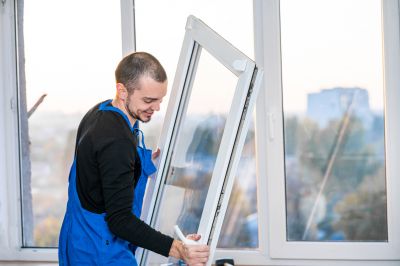 Storm restoration products are essential for repairing and reinforcing properties affected by severe weather events such as heavy rain, wind, hail, and storms. These products help mitigate damage, restore structural integrity, and protect against future weather-related impacts. In Los Angeles, CA, where seasonal storms can cause significant property concerns, having the right storm restoration tools and materials is vital for homeowners and contractors alike. From roofing and siding replacements to waterproofing and debris removal, a comprehensive approach ensures a safer and more resilient property.
Top Overall Option
Heavy-Duty Weatherproofing Membranes
Heavy-duty weatherproofing membranes are versatile materials designed to provide a reliable barrier against water intrusion and wind infiltration. They are suitable for roofing, siding, and foundation sealing, offering durability and flexibility to accommodate building movements. These membranes are easy to install, often with adhesive or mechanical fasteners, and are compatible with various substrates. Their resilience makes them a preferred choice for comprehensive storm restoration efforts, helping to safeguard properties from future weather impacts.
Types of Products For Storm Restorations
Impact-Resistant Windows and Doors
Designed to withstand high winds and debris impact, these windows and doors help protect openings during storms and reduce the risk of damage.
Roofing Shingles and Panels
Specialized roofing materials that resist hail, wind uplift, and water penetration, essential for restoring a roof's integrity.
Waterproof Sealants and Coatings
Sealants and coatings designed to create watertight barriers on roofs, walls, and foundations, preventing leaks and water damage.
Reinforced Siding Materials
Heavy-duty siding options that resist impact and weathering, enhancing exterior durability.
Tarp Covers and Protective Wraps
Temporary and permanent covers used to protect damaged areas from further weather exposure during repairs.
Debris Removal Tools
Equipment such as leaf blowers, debris blowers, and safety gear to clear storm debris efficiently.
Storm-Resistant Gutters and Downspouts
Durable gutter systems designed to handle heavy rainfall and prevent water damage to foundations.
Structural Reinforcement Products
Braces, anchors, and other hardware that strengthen weakened structures after storm damage.
Foundation Waterproofing Systems
Products that help prevent water infiltration into basements and foundations, crucial after flooding.
Emergency Repair Kits
Comprehensive kits containing essential tools and materials for immediate storm damage mitigation.
Ventilation and Dehumidification Equipment
Devices to reduce moisture buildup and prevent mold growth after water intrusion.
Fire and Smoke Damage Restoration Products
Materials to address secondary damage caused by storms, such as fires or smoke infiltration.
Popular Choices
Widely used for their ability to withstand storm debris and high winds, helping to secure openings.
Commonly selected for their durability and ease of installation during roof repairs.
Popular for sealing gaps and cracks to prevent water intrusion in vulnerable areas.
Frequently used for temporary protection of damaged roofs and walls.
Chosen for their impact resistance and longevity in storm-prone regions.
Assist in managing heavy rainfall and reducing water damage risks.
Popular for stabilizing weakened structures after storm impact.
Effective for immediate flood mitigation during storms.
Commonly used to dry out interiors after water exposure.
Valuable for quick response to storm damage and preventing further issues.
Effective storm restoration begins with assessing the extent of damage and selecting appropriate products tailored to specific needs. High-quality materials such as durable roofing membranes, impact-resistant windows, and reinforced siding can make a notable difference in how well a property withstands subsequent weather events. Additionally, accessories like sealants, tarps, and safety gear are crucial for both immediate response and ongoing maintenance.
Investing in versatile and reliable storm restoration products can streamline repair processes and improve outcomes. It is important to choose products that meet industry standards for quality and safety. Proper application and maintenance further enhance their effectiveness, ensuring that properties remain protected over time. Whether dealing with minor repairs or major overhauls, the right products can help restore peace of mind and safety for residents and property owners in Los Angeles and beyond.
Key Buying Considerations
- Assess the specific type and severity of storm damage to determine appropriate products.
- Choose materials that are rated for impact resistance and weather durability.
- Ensure compatibility of products with existing building materials and structures.
- Consider ease of installation and whether professional assistance is needed.
- Verify product certifications and adherence to industry standards for safety and performance.
- Evaluate the long-term durability and maintenance requirements of the products.
- Look for products with proven resistance to local weather conditions in Los Angeles, CA.
- Prioritize products that offer effective waterproofing and sealing capabilities.
- Determine the suitability of temporary versus permanent solutions based on repair scope.
- Account for budget constraints while balancing quality and durability.
- Check for availability of replacement parts and warranty options.
- Consider the environmental conditions such as wind speeds, rainfall, and potential debris impact.
- Review customer feedback and expert recommendations for reliability insights.
- Ensure products are compatible with existing infrastructure and future repair plans.